Built for independent learning

A clear learning path for every kind of curious mind

Start with the subject that matters right now. Each program gives your child a clear next step, fresh practice, and useful feedback—while you can check progress when you want.

Families can explore UIL-style academic contest preparation, Number Sense practice, CogAT reasoning, Spelling Bee, and Phase II mathematics and reading—all arranged around a clear next step.

No card required for the free diagnostic.

Explore the programs

Choose the kind of learning your child needs now

Each program combines a clear goal with practice that helps students become more capable and confident.

Math & thinking

Mental Math

Build speed and accuracy with numbers.

How it helps

Short, focused routines help students build number fluency without relying on a parent to lead every session.

  • Build accuracy before adding speed
  • Practice useful number strategies step by step
  • Grow confidence with regular independent practice

Starter check: Full diagnostic · 10–12 questions

Mathematics

Find the right starting level for deeper contest-style math.

How it helps

Students can connect the right topic, explanation, and practice set so deeper math makes sense instead of feeling like a worksheet stack.

  • Find a sensible starting level
  • Strengthen concepts through applied problems
  • Build readiness for contest-style thinking

Starter check: Full diagnostic · 15–18 questions

Phase II Mathematics & Thinking

Explore mathematics, reasoning, and creative thinking.

How it helps

Mathematics and reasoning challenges help students try multiple paths, explain their thinking, and stay engaged with complex problems.

  • Practice math, logic, and flexible reasoning
  • Work through original grade-profiled challenges
  • Develop critical and creative thinking

Starter check: Full diagnostic · 12 questions

CogAT Reasoning

Explore verbal, quantitative, and nonverbal reasoning.

How it helps

Original verbal, quantitative, and nonverbal challenges help students practice the reasoning moves behind unfamiliar questions.

  • Strengthen verbal relationships and classifications
  • Work with quantitative patterns and puzzles
  • Develop nonverbal and visual reasoning

Starter check: Full diagnostic · 9 questions

Reading, knowledge & language

Phase II Reading

Practice evidence-based reading and reasoning.

How it helps

Students learn to slow down, use evidence from a passage, and choose an answer they can support—not just guess.

  • Find key details and main ideas
  • Make evidence-based inferences
  • Build vocabulary and comprehension habits

Starter check: Readiness check · one short passage

Science

See where science concepts and source skills should begin.

How it helps

Concept notes and practice questions help students connect facts, models, and data instead of memorizing isolated answers.

  • Explore core science ideas by level
  • Interpret models, observations, and data
  • Practice scientific reasoning

Starter check: Full diagnostic · 10–12 questions

Social Studies

Check readiness across history, civics, geography, and sources.

How it helps

Students build background knowledge and source-reading skills so they can understand history, civics, geography, and economics with confidence.

  • Read timelines, maps, and primary-source clues
  • Connect events, places, and civic ideas
  • Practice explaining what evidence supports

Starter check: Full diagnostic · 10–12 questions

Spelling Bee

Find an appropriate spelling and vocabulary starting point.

How it helps

Structured word practice helps students notice patterns, retain vocabulary, and return to words until they become dependable.

  • Build spelling and word-pattern awareness
  • Grow vocabulary through meaningful review
  • Practice steadily at an appropriate level

Starter check: Full diagnostic · 12–16 questions

Visual reasoning & strategy

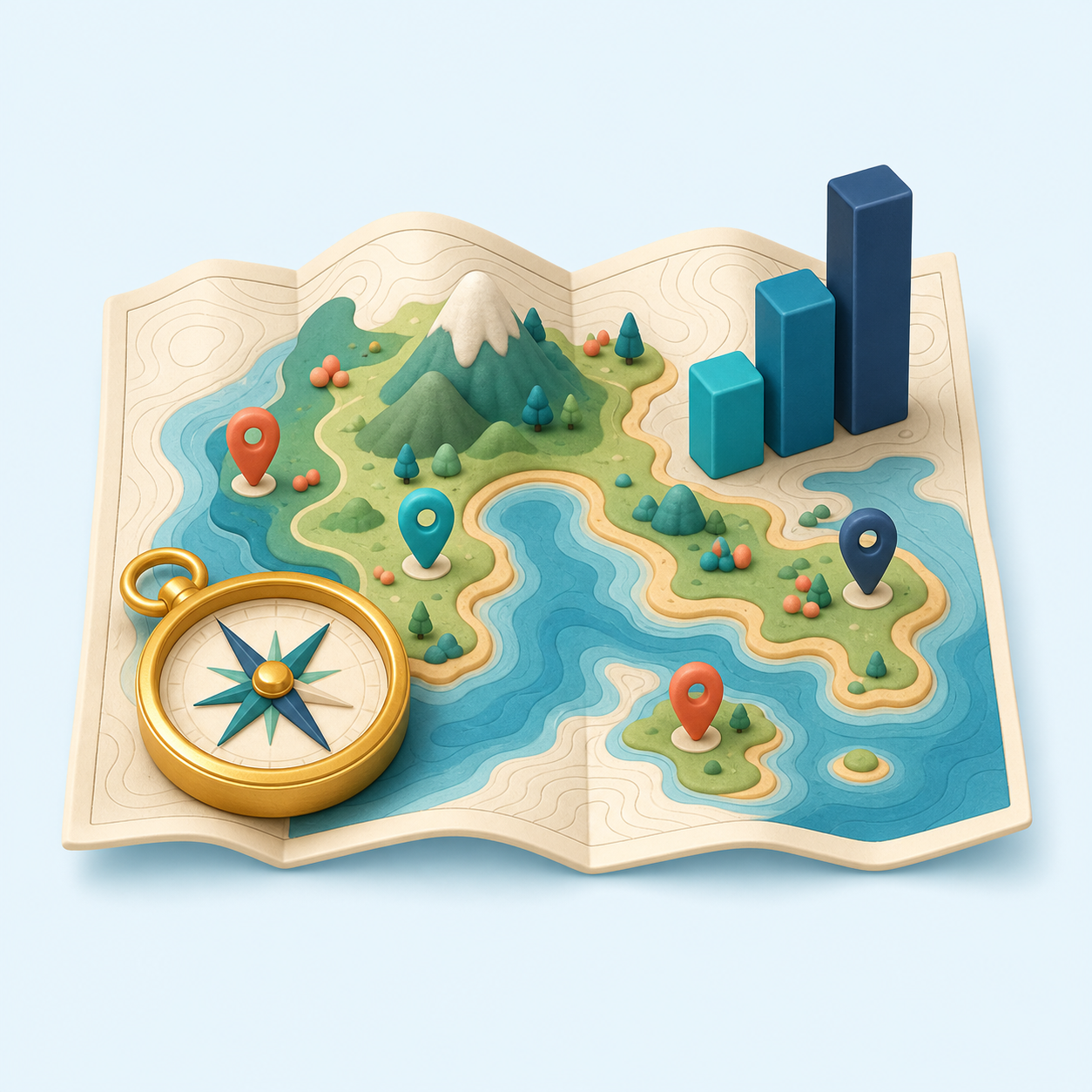
Maps, Graphs & Charts

Try visual-source and data-literacy reasoning.

How it helps

Visual-source practice teaches students how to read information carefully, compare evidence, and notice what a chart or map does—and does not—show.

  • Use keys, scales, directions, tables, and graphs
  • Compare patterns and changes in data
  • Make evidence-based conclusions

Starter check: Readiness check · 3 visual-source questions

Chess Puzzles

Test calculation, pattern recognition, and board reading.

How it helps

Puzzles make planning ahead tangible: students read the board, test an idea, and learn from the result one move at a time.

  • Recognize tactical patterns
  • Practice legal moves and board reading
  • Build calculation and decision-making habits

Starter check: Readiness check · 3 original puzzles

How learning stays manageable

A routine students can follow themselves

  1. Start in the right place

    A short diagnostic or readiness check helps identify a useful starting point.

  2. Learn, then practice

    Students use guided practice and program resources to build one skill at a time.

  3. See the next step

    Progress highlights strengths and the skills worth returning to, without daily parent management.